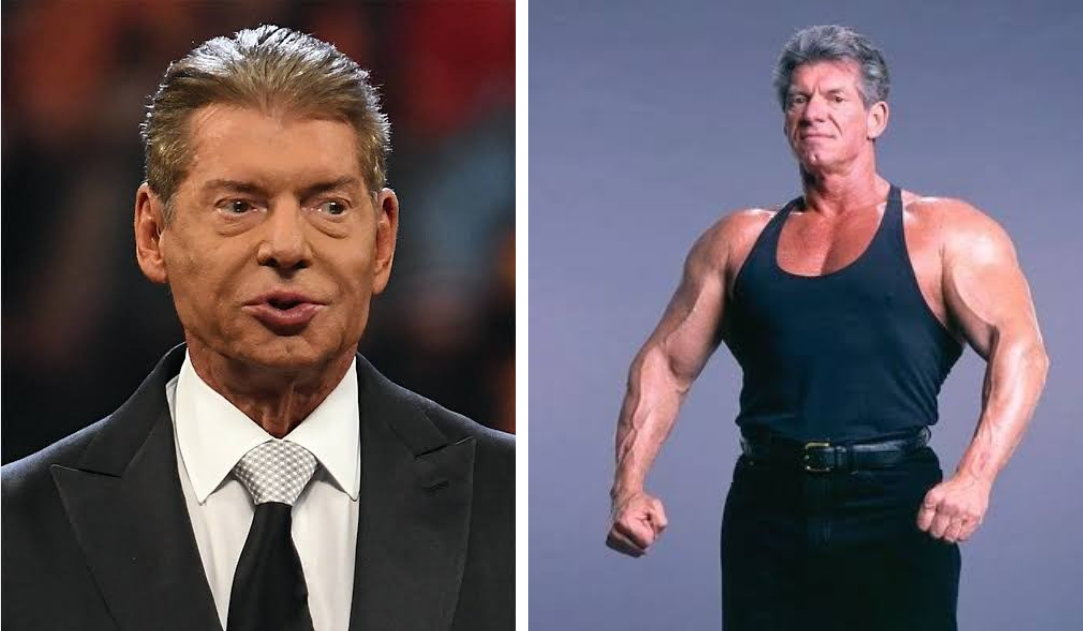
Vince McMahon transformed a regional wrestling promotion into one of the world’s most recognizable sports entertainment businesses. The American businessman and former wrestling promoter spent decades building WWE through television, major live events, media deals and international expansion. His financial success came not only from his work as a wrestling promoter but also from his ownership of WWE and his later involvement in TKO Group Holdings. Forbes estimated his net worth at approximately $3.3 billion as of November 1, 2026, placing him among the world’s wealthiest entertainment figures. However, his personal fortune involves more than one figure, particularly after he sold billions of dollars’ worth of TKO shares. His departure from WWE leadership in 2024 also changed his role in the company he spent decades building.
Understanding his wealth means looking at his business decisions, stock transactions, executive career and the financial legacy of WWE.
Quick Bio
| Detail | Information |
|---|---|
| Full Name | Vincent Kennedy McMahon |
| Known As | Vince McMahon |
| Date of Birth | August 24, 1945 |
| Age | 81 years old (as of November 2026) |
| Birthplace | Pinehurst, North Carolina, United States |
| Nationality | American |
| Profession | Businessman and former professional wrestling promoter |
| Famous For | Building WWE into a global sports entertainment company |
| Former Positions | WWE Chairman and CEO; TKO Executive Chairman |
| Education | East Carolina University |
| Degree | Business Administration |
| Father | Vincent J. McMahon |
| Mother | Victoria Hanner |
| Children | Stephanie McMahon and Shane McMahon |
| Wife | Linda McMahon |
| Marriage Year | 1966 |
| Former Company | World Wrestling Entertainment (WWE) |
| Current Business Connection | TKO Group Holdings shareholder |
| Estimated Net Worth | $3.3 Billion (Forbes estimate, November 1, 2026) |
| Current WWE Role | No longer holds an executive position |
What Is Vince McMahon’s Net Worth in 2026?
Vince McMahon’s estimated net worth stands at $3.3 billion, according to Forbes’ real-time billionaire ranking on November 1, 2026. This estimate reflects the value of his known financial interests and assets rather than a personal financial statement released by McMahon.
Other wealth-tracking publications have reported slightly different figures. Celebrity Net Worth, for example, listed his estimated fortune at $3.2 billion in September 2026. The difference highlights how private investments, stock prices and valuation methods can affect billionaire estimates.
McMahon built most of his fortune through WWE. He acquired control of his father’s wrestling business in 1982 and spent decades expanding it into an international entertainment company. Television rights, pay-per-view events, merchandise, ticket sales and corporate partnerships helped turn WWE into a valuable business.
His financial position changed significantly after WWE merged with UFC to create TKO Group Holdings in September 2023. McMahon received TKO shares through the transaction and later sold substantial portions of his holdings for billions of dollars in gross proceeds.
Although Forbes provides a current estimate, the exact breakdown of his personal assets, investments, liabilities and cash remains private. Therefore, $3.3 billion represents a published estimate rather than an independently audited personal net-worth figure.
Who Is Vince McMahon, the Former WWE Promoter?
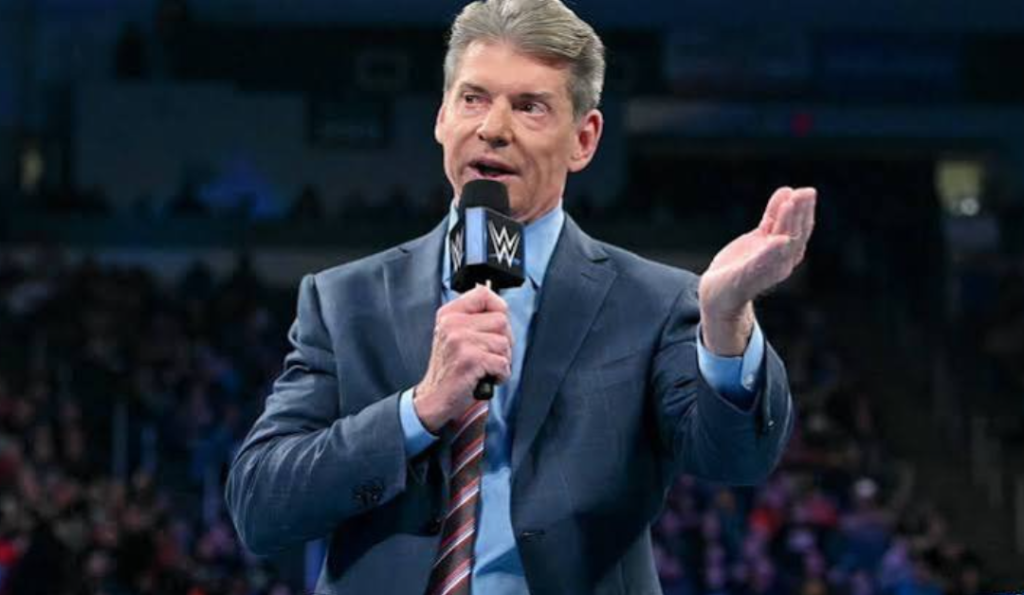
Vince McMahon is an American businessman who transformed professional wrestling from a collection of regional promotions into a global entertainment industry. His father, Vincent J. McMahon, already operated a successful wrestling business in the northeastern United States. Vince took control in 1982 and pursued a much larger vision.
He introduced a national expansion strategy, invested in television exposure and developed major events that attracted audiences beyond traditional wrestling markets. WrestleMania became the centrepiece of that strategy, helping WWE reach mainstream entertainment audiences.
McMahon also became one of wrestling’s most recognizable on-screen personalities. His Mr. McMahon character played a major role in WWE storylines during the Attitude Era, particularly his rivalry with Stone Cold Steve Austin.
His influence extended beyond storytelling. He helped shape WWE’s corporate structure, business partnerships and long-term media strategy. Today, McMahon no longer manages the company, but his decisions remain central to its history and financial development.
Growing Up in a Wrestling Family
Vincent Kennedy McMahon was born on August 24, 1945, in Pinehurst, North Carolina. His father, Vincent J. McMahon, worked as a professional wrestling promoter, while his grandfather, Jess McMahon, also had a long history in wrestling and boxing promotion.
The family business gave Vince an early connection to the entertainment industry. However, his childhood did not immediately place him in a position of authority. He spent time living with his mother before reconnecting with his father as a teenager.
McMahon attended Fishburne Military School in Virginia before enrolling at East Carolina University. He graduated in 1968 with a business administration degree. His education later proved useful when he began managing and expanding the family business.
Rather than entering WWE as its established owner, he initially learned the industry through smaller responsibilities. He joined his father’s promotion in the early 1970s and worked as an announcer before taking on greater business duties.
How Vince McMahon Entered His Father’s Wrestling Business
McMahon began working in his father’s wrestling promotion in 1971–1972. His first major responsibility involved announcing and promoting wrestling events. This position gave him a practical understanding of how the business operated, from organising shows to attracting audiences.
He gradually took on more responsibilities within the company. His father eventually trusted him with regional operations, including areas where the promotion needed stronger business performance.
Those early experiences helped him understand the connection between wrestling and television. He believed promoters could reach much larger audiences through broadcast deals rather than relying only on local arenas.
McMahon also recognised that a wrestling company could develop its own stars and entertainment identity. That approach differed from the traditional territory system, where promoters controlled specific regional markets and shared performers through business arrangements.
His ambitions eventually led him to make a decision that changed the future of professional wrestling: purchasing his father’s business.
Buying the Family Business in 1982
In 1982, Vince McMahon purchased his father’s company, Capitol Wrestling Corporation, and began building a national wrestling operation. The transaction gave him control of a business with an established regional audience, but his ambitions reached far beyond the northeastern United States.
He wanted one promotion to compete across the country rather than remain limited to a territory. To achieve that goal, he expanded television distribution and recruited well-known wrestlers who could attract viewers in different markets.
The strategy also challenged the traditional regional wrestling system. McMahon entered territories controlled by other promoters, competing for television exposure, talent and audiences.
His approach carried considerable business risk. Expanding into new markets required significant spending, stronger television relationships and performers who could attract mainstream attention. Yet the strategy eventually changed the scale of the company and created the foundation for McMahon’s future fortune.
WrestleMania and the Business That Changed Everything
WrestleMania became one of McMahon’s most important business achievements. The first event took place at Madison Square Garden on March 31, 1985. Rather than treating it as an ordinary wrestling card, McMahon presented it as a major entertainment spectacle.
The event combined wrestling with celebrity appearances, music and mainstream promotion. It helped WWE attract viewers who might not normally follow professional wrestling.
WrestleMania’s success encouraged McMahon to develop more annual events, including SummerSlam, Survivor Series and the Royal Rumble. These shows became major parts of WWE’s calendar and created recurring opportunities for ticket sales, television distribution and merchandise.
The business model grew as WWE reached international audiences. McMahon understood that a successful wrestling event could generate revenue through several channels at once. Fans could watch the show, purchase merchandise, attend live events and follow the characters through weekly television programming.
WrestleMania did more than establish a popular wrestling event. It helped turn WWE into a recognizable entertainment brand and played an important role in creating McMahon’s long-term wealth.
The Expansion of WWE During the 1990s
WWE continued growing during the 1990s, but competition from World Championship Wrestling challenged McMahon’s position. WCW attracted major performers and television audiences, creating a business rivalry known as the Monday Night Wars.
McMahon responded by changing WWE’s presentation. The company introduced the Attitude Era, a period that featured more mature characters, unpredictable storylines and highly popular performers.
Stars such as Stone Cold Steve Austin, The Rock, The Undertaker and D-Generation X helped attract a large audience. McMahon also became a central television character through his Mr. McMahon persona.
The rivalry reached a turning point in 2001 when WWE acquired WCW’s assets. The purchase allowed the company to bring several performers and storylines into its own programming.
That acquisition strengthened WWE’s position in professional wrestling. It also demonstrated McMahon’s ability to use business strategy and entertainment storytelling together.
WWE Going Public in 1999
Another important milestone arrived in 1999, when WWE went public on the New York Stock Exchange under the ticker symbol WWF. The initial public offering gave the company access to public capital and created new financial opportunities for its shareholders.
McMahon’s position as the controlling owner made the public listing particularly important to his personal fortune. His ownership interests became linked to a publicly traded business whose value could rise or fall with financial performance and market confidence.
The company later changed its name from World Wrestling Federation to World Wrestling Entertainment in 2002, following a legal dispute with the World Wildlife Fund. In 2011, it officially adopted WWE as its corporate name.
The public listing also brought greater financial transparency. WWE began publishing regular financial reports, allowing investors to examine revenue, profits, executive compensation and major business agreements.
For McMahon, the company’s growth translated into significant equity value. His ownership of WWE shares became one of the biggest foundations of his billionaire status.
Where Vince McMahon’s Wealth Comes From
McMahon built his fortune through several connected business activities. His wealth is not simply the result of collecting wrestling salaries or earning money from appearances. Ownership and company equity played a much larger role.
1. WWE ownership and TKO shareholdings
McMahon’s control of WWE created the foundation of his fortune. When the company went public, his shares gave him a direct financial interest in its growth. Later, the WWE-UFC merger converted the value of existing WWE shareholders’ interests into TKO shares.
2. Wrestling promotion and business operations
WWE generated revenue through television agreements, live events, merchandise, licensing, international tours and pay-per-view programming. As the company’s principal owner and long-time leader, McMahon benefited from its expansion and increasing commercial value.
3. Stock sales and other investments
McMahon has sold billions of dollars’ worth of TKO shares since the merger. Those transactions converted portions of his ownership into cash proceeds. His remaining shares and other private investments also contribute to estimates of his current wealth.
These sources explain the structure of his financial success. However, the exact amount he retains from each category after taxes, expenses and investment decisions remains private.
The WWE and UFC Merger That Created TKO Group Holdings
On September 12, 2023, WWE and UFC officially combined under TKO Group Holdings. Endeavor, the company that owned UFC, controlled 51% of the new organisation, while existing WWE shareholders received the remaining 49% interest.
The transaction created a major sports and entertainment company with two internationally recognised brands. WWE brought professional wrestling, media rights and live entertainment, while UFC contributed its mixed martial arts events and commercial partnerships.
McMahon played an important role in negotiating and supporting the merger. As WWE’s Executive Chairman at the time, he described the deal as a major step in the company’s development.
The merger also changed the structure of his personal wealth. Instead of holding his financial interests only through WWE, he became a significant TKO shareholder. The value of those shares would rise or fall with the performance of the new public company.
The deal marked a turning point in his business career. It turned decades of work building WWE into a valuable ownership position in a larger sports and entertainment organisation.
How Much TKO Stock Has Vince McMahon Sold?
McMahon has sold substantial amounts of TKO stock since the merger. These transactions have attracted attention because they show how he converted part of his former WWE ownership into cash.
In November 2023, he sold approximately 8.4 million shares in a secondary offering that generated roughly $700 million. Further transactions followed in 2024, including stock sales to TKO and Endeavor.
One particularly notable transaction took place in April 2024, when TKO and Endeavor purchased shares worth approximately $311.2 million from him. McMahon later agreed to sell another 1,579,080 TKO Class A shares to Endeavor Group Holdings in June 2025.
The June 2025 sale carried a price of $158.32 per share and generated approximately $250 million. According to financial reporting at the time, his cumulative TKO stock sales had exceeded $2 billion.
However, gross sale proceeds do not equal personal profit. Taxes, original investment costs, other financial obligations and the use of the proceeds all affect the final amount McMahon retains.
How Many TKO Shares Does Vince McMahon Still Own?
McMahon continued to hold a significant TKO share position after his major sales. TKO’s 2026 proxy statement listed 6,442,325 Class A shares under his direct ownership, based on a Schedule 13G amendment filed on August 1, 2025.
That disclosure showed that he remained an individual shareholder even after leaving the company’s board and executive leadership. His shares represented a notable financial interest in TKO, although they did not give him the same corporate authority he once exercised at WWE.
The value of this holding depends on TKO’s share price. A rise in the market price can increase the value of his stock position, while a decline can reduce it.
This is why live billionaire rankings can change. Forbes’ estimate of $3.3 billion on November 1, 2026, reflects market-based valuation rather than a fixed amount of cash available in McMahon’s bank accounts.
Vince McMahon’s XFL Venture and Business Risks
WWE was not McMahon’s only major business ambition. In 2001, he launched the XFL, a professional football league designed to offer a different style of sports entertainment. The league attracted attention but struggled to build a sustainable audience and ended after its first season.
McMahon later revived the XFL in 2020. The new version attempted to combine professional football with a faster television presentation and a different approach to fan engagement.
The relaunch began successfully enough to generate interest, but the COVID-19 pandemic interrupted the season. The league suspended operations and later entered bankruptcy proceedings.
The XFL experience showed that not every business project produced the success of WWE. It also demonstrated the financial risks involved when an entrepreneur invests heavily in a new sports property.
Although the XFL became an important part of McMahon’s business history, it did not create the same long-term commercial value as his wrestling company.
Vince McMahon’s Departure From WWE and TKO Leadership
McMahon’s leadership role changed dramatically in January 2024. Following a former WWE employee’s civil lawsuit and wider controversy surrounding allegations against him, he resigned from his position as TKO Executive Chairman and left the company’s board.
His departure also ended his formal executive involvement with TKO and its subsidiaries, including WWE. He no longer directs WWE’s daily creative operations or manages its business as an executive.
McMahon has denied the allegations made against him. The distinction between allegations, legal findings and financial consequences remains important when discussing this period of his career.
His departure did not eliminate his financial interest in TKO. He continued to own company shares and remained a major figure in published billionaire rankings.
The SEC Settlement and Its Financial Impact
On January 10, 2025, the U.S. Securities and Exchange Commission announced settled charges against McMahon concerning two settlement agreements that he signed on behalf of himself and WWE without properly informing the company’s board and relevant departments.
The SEC said the disclosure failures contributed to material misstatements in WWE’s 2018 and 2021 financial statements. McMahon agreed to pay a $400,000 civil penalty and reimburse WWE approximately $1.33 million.
The total financial obligation came to roughly $1.73 million. McMahon settled the SEC charges without admitting or denying the agency’s findings.
This amount represents a separate financial matter from his TKO share sales and overall net worth. It does not explain the value of his remaining investments, but it forms part of his documented financial and corporate history.
The Former WWE Employee Lawsuit and Later Legal Developments
In January 2024, a former WWE employee filed a civil lawsuit against McMahon, WWE and another former executive. The complaint included allegations of sexual assault and trafficking-related conduct. McMahon has strongly denied the allegations.
In July 2026, the parties agreed to submit the former employee’s claims to arbitration. The plaintiff then voluntarily dismissed the federal lawsuit with prejudice on July 24, 2026, in line with that agreement.
The dismissal ended that federal court action, but it should not be described as a judicial finding that resolved the underlying allegations in McMahon’s favour. The agreement moved the dispute into arbitration instead.
These developments also explain why McMahon’s departure from corporate leadership remains an important part of his current public profile. His financial position and his former executive role are separate matters, even though both form part of the wider story.
Linda McMahon, Their Children and Family Business Legacy
Vince McMahon married Linda Edwards in 1966. The couple built a family while becoming closely involved in the wrestling business. Their two children, Stephanie and Shane McMahon, also developed careers connected to WWE.
Stephanie worked in several senior WWE positions, including Chairwoman and Co-CEO, while Shane appeared as an on-screen performer and held executive responsibilities during different periods. Both grew up around the family business and became familiar faces to wrestling audiences.
Linda also played an important role in WWE’s corporate history. She served as the company’s CEO before entering politics and public service. Her career developed independently of Vince’s wrestling persona, although their professional histories remain closely connected.
The family’s involvement helped shape WWE into a multigenerational business. However, personal wealth calculations should still distinguish each family member’s assets, shares and financial interests rather than combining them into one figure.
Vince McMahon’s Lifestyle, Properties and Personal Assets
McMahon’s billionaire status has attracted attention to his homes, property interests and lifestyle. However, high-value possessions do not reveal his complete financial position.
A property valuation represents an estimated market value, not the owner’s available cash. Mortgages, taxes, maintenance costs and ownership arrangements can affect how much value the owner actually retains.
The same principle applies to investments and luxury assets. Without verified ownership records and current valuations, it would be irresponsible to assign exact amounts to his private property portfolio.
Forbes’ billionaire estimate offers a broader assessment of his wealth, but it does not provide a full public breakdown of every asset and liability. McMahon has not published a personal balance sheet that allows readers to calculate his exact net worth independently.
What Is Vince McMahon Doing Now in 2026?
As of November 2026, McMahon no longer holds an executive position at WWE or TKO. He stepped down from corporate leadership in January 2024 and has not returned to the company’s management structure.
His publicly documented financial interest continues through his TKO shareholding. The 2026 proxy statement recorded 6,442,325 shares under his direct ownership, based on the disclosure cited in the filing.
At 81, his public profile centres mainly on his former role in building WWE, his financial interests in TKO and the ongoing legal and corporate developments connected to his departure.
Although he no longer controls WWE’s creative direction, his business decisions shaped the company that exists today. His legacy includes both the global expansion of professional wrestling and a complicated period of corporate controversy.
Conclusion
Vince McMahon’s estimated net worth of $3.3 billion reflects decades of work building WWE into a global entertainment company. His biggest financial achievement came from owning and expanding the family wrestling business, taking it public and later converting part of his ownership into TKO Group Holdings shares.
His stock sales generated more than $2 billion in gross proceeds, while his remaining TKO holdings continue to contribute to his financial profile. Forbes’ estimate offers a useful current benchmark, but it does not represent a verified personal balance sheet.
McMahon’s departure from WWE leadership in 2024 marked the end of his direct corporate control, not the end of his financial connection to the company. His business legacy remains closely tied to the global growth of WWE, the creation of WrestleMania and the merger that brought WWE and UFC under TKO.
Frequently Asked Questions
What is Vince McMahon’s net worth in 2026?
Forbes estimated Vince McMahon’s net worth at approximately $3.3 billion on November 1, 2026. This is an editorial wealth estimate rather than a figure confirmed through a personal financial disclosure.
How did Vince McMahon make his money?
McMahon built most of his fortune by acquiring and expanding WWE. Company ownership, public shares, TKO stock transactions and decades of involvement in wrestling entertainment played major roles in his financial success.
How much did Vince McMahon make from selling TKO shares?
Financial reports indicate that McMahon sold more than $2 billion worth of TKO shares between 2023 and June 2025. One of his later transactions involved selling 1,579,080 shares for approximately $250 million in June 2025.
How many TKO shares does Vince McMahon own?
TKO’s 2026 proxy statement listed 6,442,325 Class A shares under McMahon’s direct ownership. The disclosure relied on a Schedule 13G amendment filed on August 1, 2025.
Is Vince McMahon still the owner of WWE?
No. WWE became part of TKO Group Holdings after its merger with UFC in September 2023. McMahon resigned from his TKO executive and board positions in January 2024, although he retained a financial interest through his shares.
How old is Vince McMahon?
Vince McMahon was born on August 24, 1945, in Pinehurst, North Carolina. He is 81 years old as of November 2026.
Who are Vince McMahon’s children?
Vince McMahon has two children, Stephanie McMahon and Shane McMahon. Both have worked in WWE and developed their own public careers in professional wrestling and business.
For More Visit Quickly Time